


Page 207 - 2021_09-Haematologica-web
P. 207
Letters to the Editor
[11.2-60.0] vs. 8.6 μg/ml [3.1-24.8], P=0.002), and, accordingly, patients with histones >30 μg/mL were more likely to die (13/29 [44.8%] vs. 12/84 [14.3%], P=0.001). Patients who died were significantly older than those who survived (Table 2, 76 years [66-86] vs. 59 years [46-72] P<0.001). Compared to survivors, non-survivors had evidence of consumptive coagulopathy with lower platelet counts (P=0.003), prolonged prothrombin time
A
(P=0.028), elevated D-dimer (P=0.017) and reduced antithrombin levels (P=0.048). Furthermore, in non-sur- vivors, lymphocyte counts (P=0.001), and oxygen satura- tions (P=0.005) were significantly reduced, and IL-6 (P=0.021), CRP (P=0.013), troponin (P<0.001), bilirubin (P=0.041) and creatinine (P=0.024) were elevated when compared to survivors (Table 2).
C
E
B
D
Univariate analysis using continuous circulating his-
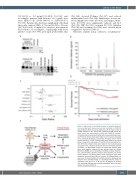
Figure 1. High levels of circulating histones on hospital admission are associated with disease severity and mortality in COVID-19. Typical Western Blots (A) and quantification (B) of histone levels in healthy controls (n=12), mild (n=30), moderate (n=38), critical dis- ease (n=20) and non-survivors (n=25) with COVID-19 infection. Circulating histone levels were higher with increasing disease sever- ity (P<0.001). Histone levels were higher in non-survivors compared to the moderate (P=0.023), mild groups (P<0.001) and to normal healthy controls (P<0.001). Histone levels were higher in the critical group compared to mild groups (P<0.001) and normal healthy con- trols (P<0.001). Histone levels were higher in the moderate group compared to the mild group (P=0.007) and normal healthy controls (P=0.002). (C) Multivariate analysis of crude and adjusted odds ratios (with patients adjusted for age, gender, Black and Ethnic Minorities (BAME) and comorbidities including smoking, hyperten- sion, asthma/COPD, diabetes, ischemic heart disease and chronic kidney disease). Circulating histone levels ≥30 μg/mL were inde- pendently associated with 28-day mortality. (D) Kaplan-Meier sur- vival curve for the probability of mortality during the 28-day period. Patients were stratified based on circulating histones levels on admission (<30 μg/mL vs. ≥ 30 μg/mL). (E) Diagram to propose that circulating histones play a central pathological role in the devel- opment of severe COVID-19.
haematologica | 2021; 106(9)
2495


