


Page 28 - 2021_06-Haematologica-web
P. 28
B. Bruno et al.
Expression of BCMA in malignant plasma cells is enhanced compared to non-malignant cells, though levels are not homogeneous. Its expression is associated with proliferation and survival of tumor cells and contributes to the immunosuppressive bone marrow (BM) microenvi- ronment.15-17 BCMA cleavage by γ-secretase sheds soluble BCMA (sBCMA) into the bloodstream.18 sBCMA may play a role in myeloma pathogenesis, and high sBCMA levels have been associated to worse prognosis.19 BCMA is currently considered the most compelling antigen for tar- geted immunotherapy. Carpenter et al. reported on the first proof-of-concept using a second generation, CD28 co-stimulated CAR against BCMA in the preclinical set- ting. BCMA CAR-T specifically recognized the antigen, eradicated in vivo tumors and killed primary myeloma cells,11 setting the cornerstone for the first-in-human phase I clinical trial evaluating BCMA CAR-T in MM.20
Transmembrane activator, calcium modulator, and cyclophilin ligand interactor
TACI (TNFRSF13B) is a transmembrane protein that
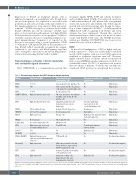
Table 1. Potential target antigens for CAR-T therapy for mutiple myeloma.
recognizes ligands APRIL, BAFF and calcium modulator and cyclophilin ligand (CAML). It is expressed on subsets of naïve and memory B cells, plasma cells, non-germinal center cells, monocytes and dendritic cells. TACI supports growth and survival in myeloma cells, though its expres- sion is lower compared to BCMA.21-23 A third-generation APRIL-based CAR recognizing both BCMA and TACI antigens has been engineered. Though this construct demonstrated tumor control in an in vivo model of tumor escape with BCMA- TACI+ cells,22 the AUTO2 trial (clini- caltrials gov. Identifier: NCT03287804) was, however ter- minated because of lack of efficacy.24
CD19
In most B-cell malignancies, CD19 is highly and uni- formly expressed.25-29 MM was traditionally considered mostly CD19 negative with low level CD19 expression attributed to a putative “myeloma stem cell”. However, highly sensitive direct stochastic optical reconstruction microscopy (dSTORM) unveiled expression of CD19 on a considerable subset (10–80%) of myeloma cells in more than two thirds of patients, of whom only one fifth was considered CD19 positive by conventional flow cytome-
Antigen
BCMA
TACI
CD19
SLAMF7 (CD319)
CD38
CD44v6 GPRC5D CD138
NKG2D
k light chain CD56
Lewis Y NY-ESO-1
CD229 (SLAMF3)
Integrin b7
CD70
CD1d
Expression in MM
60-100%
78%
10-80%
High and uniform expression
High and uniform expression
43% in advanced stage ≥50% in 65% of patients High expression
Heterogenous κ-restricted myeloma cells
High expression, decreased
in extramedullary disease
50%
60-100%
High and homogeneous expression, probably in myeloma stem cell
High expression
0.2-42%
High expression
Expression in normal hematopoietic cells
Late memory B cells, plasma cells
Naïve and memory B cells, plasma
cells, monocytes and dendritic cells
B-cells, plasma cells
NK-cells, monocytes, macrophages, dendritic cells, T cells, B cells, plasma cells
Lymphoid and myeloid cells, hematopoietic precursors, thymocytes
Activated T cells, monocytes B-cells, plasma cells Plasma cells
NK,TandγδTcells Mature B cells
T and NK cells
No
No
T, NK and B cells
High expression in B cells and low to moderate expression in CD34+ hematopoietic cells
Activated T and B cells, dendritic cells and plasma cells
Antigen-presenting cells, thymocytes, B cells, and hematopoietic stem cells
Expression in healthy solid organ tissues
No
No
No
No
Prostatic epithelium, pancreatic islet cells, cerebellar Purkinje cells
Keratinocytes Hair follicles
Epithelial cells, gastrointestinal tract and hepatocytes
No
No
Central and peripheral
nervous system Epithelial cells No
No
No
No
Epithelial cells
Development state
Clinical trial
Clinical trial
Clinical trial
Clinical trial
Clinical trial
Clinical trial Clinical trial Clinical trial
Clinical trial Clinical trial Clinical trial
Clinical trial
Clinical trial
Preclinical investigation
Preclinical investigation
Preclinical investigation
Preclinical investigation
BCMA: B-cell maturation antigen; GPRC5D: G protein-coupled receptor class C group 5 member D; NKG2D: Natural Killer Group 2 member D; NY-ESO-1: New York Esophageal Squamous Cell Carcinoma 1; SLAMF3 and SLAMF7: signaling lymphocytic activation molecules family member 3 and 7; TACI: Transmembrane activator, calcium modulator, and cyclophilin ligand interactor.
2056
haematologica | 2021; 106(8)


