


Page 251 - 2021_06-Haematologica-web
P. 251
Letters to the Editor
against other lymphomas expressing CD30 at varying rates (0-100%). So far, brentuximab vedotin has shown promising results in relapsed or refractory diffuse large B-cell lymphoma, T-cell lymphomas, and mycosis fun- goides/Sézary syndrome.9-12 The ORR of our study was similar to that of a previous study in relapsed and refrac- tory T-cell lymphomas.10 However, considering the poor prognostic group of EBV-positive lymphomas in our study, the survival outcomes were encouraging and sup-
port the use of brentuximab vedotin for CD30-positive T- and B-cell lymphomas listed in National Comprehensive Cancer Network guidelines.
Although the nuclear factor kappa B (NF-kB) and mito- gen-activated protein kinase pathways are known to be involved in CD30-mediated signaling,13 pleiotropic effects were observed in vitro after stimulation with CD30L or the monoclonal antibody Ki-1.14 This suggests that the CD30 signaling pathway might be differentially
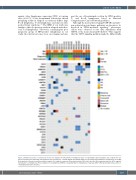
Figure 2. Mutational profiles of 14 patients in this trial. Samples for 14 patients, including four pairs of sequentially acquired samples, were subjected to tar- geted sequencing encompassing 120 lymphoma-associated genes. *Patient SNU22 was initially diagnosed as having extranodal NK/T-cell lymphoma according to the patient’s referral record from another hospital. CR: complete remission; PR: partial remission; SD: stable disease; PD: progressive disease; AITL: angioim- munoblastic T-cell lymphoma; PTCL: peripheral T-cell lymphoma; ENKTCL: extranodal NK/T-cell lymphoma, nasal type; EBV+ LPD: Epstein-Barr virus-positive T- cell lymphoproliferative disorders.
haematologica | 2021; 106(8)
2279


