


Page 16 - 2021_06-Haematologica-web
P. 16
Y.F. van Lier et al.
Relationship of the microbiome with transplant-related toxicities
domination was associated with lower overall survival and higher GvHD-related mortality.42 Indeed, perturba- tions of the microbiome are particularly overt in patients with acute GvHD.37,42-47 Pre-clinical studies in mice have demonstrated that intestinal microbiota play an impor- tant role in the development of acute GvHD and, vice versa, acute GvHD itself can aggravate intestinal dysbio- sis. A study by Varelias and colleagues found that the dys- biotic microbiome of IL-17-deficient mice induced hyper- acute GvHD and that this effect was transferable to wild- type mice during co-housing experiments.48 A second study showed that increases in major histocompatibility complex class II (MHCII) expression on intestinal epithe- lial cells was microbiota-dependent, and that this upregu- lation process, which was essential for the initiation of lethal acute GvHD, could be abrogated by antibiotic- mediated bacterial depletion.49 After initiation of acute GvHD, GvHD-mediated tissue damage includes the destruction of Paneth cells, which actively shape the microbial community via production of α-defensins.50 Loss of Paneth cells decreased the expression of α- defensins and propagated expansion of pathogenic bacte- ria (Escherichia coli), which accelerated GvHD. An abun- dance of Enterococcus species has also been associated with acute GvHD severity: mice with an Enterococcus- dominated microbiome experienced worse GvHD and had an inferior survival.42 In contrast, the presence of intestinal Blautia, a genus from the butyrate-producing Lachnospiraceae family, appeared to have protective capac- ities against acute GvHD development both in mice and humans.41
Changes in gut microbiota composition have not only been associated with the development and severity of acute GvHD, but have also been linked to other trans- plant-related complications. For example, analysis of the fecal microbiota composition early (day 0 to 21) after allo- geneic HCT identified a cluster of bacteria, dominated by Eubacterium limosum, which was associated with a decreased risk of relapse or progressive disease.51
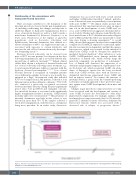
There are many contributors to the disruption of the intestinal microbiota observed in the peri-transplant peri- od, including conditioning, diet changes, and exposure to antibiotics (Figure 1). Early after transplantation, there is a loss of microbial diversity as well as a shift towards a microbiome dominated by Enterococci, Streptococci or, in fewer cases, Proteobacteria, at the expense of anaerobic populations, such as Bacteroides, Clostridium and Bifidobacterium. Intestinal domination, here defined as a relative abundance of ≥30% of a single taxonomic unit, is associated with exposure to certain antibiotics and increases the risk of blood stream infection by the respec- tive dominating taxon.27,28
Decreases in fecal α-diversity can be observed even prior to HCT in some patients, but deepens in the days following transplantation, and is associated with the tim- ing and type of antibiotic treatment.27,29-34 Indeed, clinical studies have shown a reduction of bacterial burden and loss of fecal α-diversity following cancer treatment, e.g., for acute myeloid leukemia, which is consistent with the dysbiosis observed pre-transplant.27,29,30,35-39 Loss of fecal bacterial diversity is recognized in transplant patients across different geographic locations as was recently doc- umented in a large, observational study that included 8,767 stool samples from 1,362 patients, collected at four different centers in three different continents.30 This study also reinforced a previously recognized association between intestinal diversity during the peri-engraftment period (days 7-21 post-HCT) and transplant outcome: low microbial diversity is associated with significantly higher transplantation-related mortality, GvHD-related mortality and lower overall survival.40,41 The prevalence of intestinal domination was high in this cohort: it was detected in more than 75% of the samples collected 1 week after transplantation, with Enterococcus domination being most prevalent. In an earlier study, Enterococcus
Figure 1. Timeline of potential microbiota perturbations after allogeneic hematopoietic cell transplantation. HCT: hematopoietic cell transplantation; TBI: total body irradiation. Created with BioRender.com
2044
haematologica | 2021; 106(8)


