


Page 17 - Haematologica Vol. 110 - January 2025
P. 17
PROS AND CONS EDITORIAL Y. Ofran and J.M. Rowe
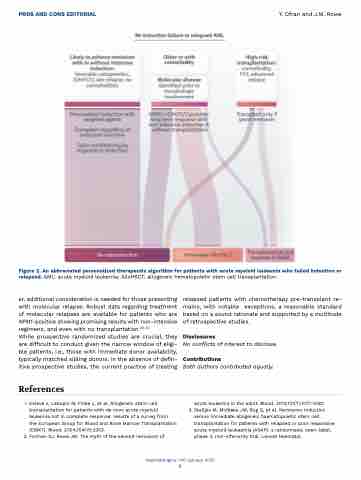
 Figure 2. An abbreviated personalized therapeutic algorithm for patients with acute myeloid leukemia who failed induction or relapsed. AML: acute myeloid leukemia; AlloHSCT: allogeneic hematopoietic stem cell transplantation.
er, additional consideration is needed for those presenting with molecular relapse. Robust data regarding treatment of molecular relapses are available for patients who are NPM1-positive showing promising results with non-intensive regimens, and even with no transplantation.28-30
While prospective randomized studies are crucial, they are difficult to conduct given the narrow window of eligi- ble patients, i.e., those with immediate donor availability, typically matched sibling donors. In the absence of defin- itive prospective studies, the current practice of treating
References
1. Esteve J, Labopin M, Finke J, et al. Allogeneic stem-cell transplantation for patients with de novo acute myeloid leukemia not in complete response: results of a survey from the European Group for Blood and Bone Marrow Transplantation (EBMT). Blood. 2004;104(11):2302.
2. Forman SJ, Rowe JM. The myth of the second remission of
relapsed patients with chemotherapy pre-transplant re- mains, with notable exceptions, a reasonable standard based on a sound rationale and supported by a multitude of retrospective studies.
Disclosures
No conflicts of interest to disclose.
Contributions
Both authors contributed equally.
acute leukemia in the adult. Blood. 2013;121(7):1077-1082. 3. Stelljes M, Middeke JM, Bug G, et al. Remission induction
versus immediate allogeneic haematopoietic stem cell transplantation for patients with relapsed or poor responsive acute myeloid leukaemia (ASAP): a randomised, open-label, phase 3, non-inferiority trial. Lancet Haematol.
 Haematologica | 110 January 2025
9


